The Evolution of Contemporary Dance: From Graham to Modern Fusion
Contemporary dance is a dynamic and evolving art form that emerged from the foundations of modern dance in the early 20th century. It is characterized by its openness to experimentation, its emphasis on emotional expression, and its integration of diverse movement vocabularies. Unlike traditional ballet, contemporary dance often prioritizes ground-based movements, breath, and the use of gravity, allowing choreographers to explore new territories of physicality and meaning. This article traces the evolution of contemporary dance from its roots in the work of pioneers like Martha Graham to the fusion styles that define choreography today.
Understanding this evolution requires examining the key figures and techniques that shaped the genre, as well as the cultural and technological influences that continue to expand its boundaries. By exploring the transition from codified modern dance techniques to the fluid, hybrid forms seen in contemporary work, we can appreciate how the past informs the present. The journey is not linear but rather a complex tapestry of innovation, rejection, and synthesis.
This exploration highlights the importance of context in artistic development. Each era brought new questions about the body, expression, and society, leading to new methodologies. Today, contemporary dance is less a single style and more a set of approaches that can incorporate elements from ballet, hip-hop, improvisation, and digital media. The following sections delve into the origins, the pivotal contributions of Martha Graham, the rise of fusion, and the factors that continue to shape the field.
Origins of Contemporary Dance: Breaking from Tradition
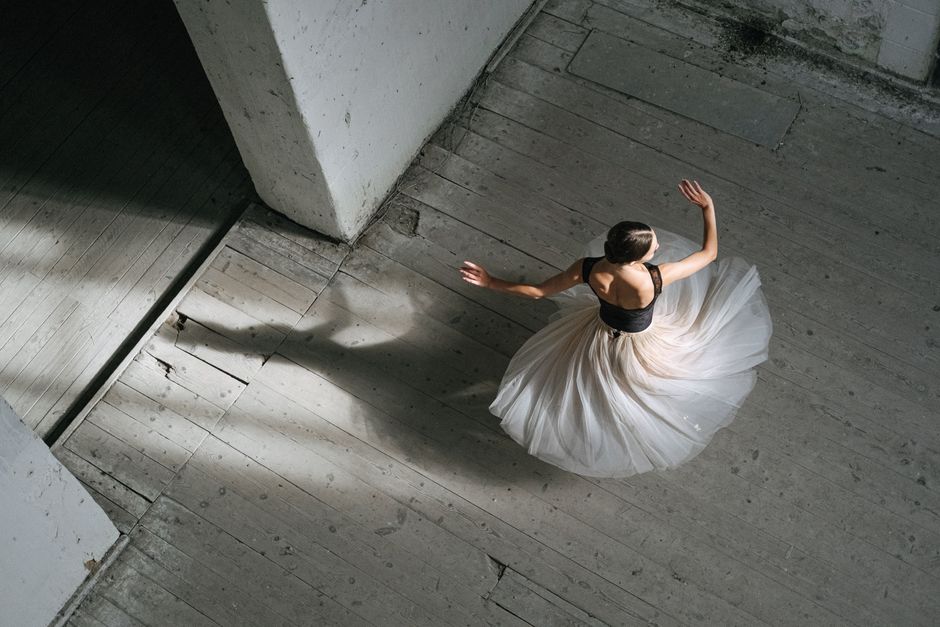
Contemporary dance did not emerge in a vacuum; it grew out of a desire to break free from the strictures of classical ballet. In the early 20th century, artists in the United States and Europe began to question the rigid aesthetics of ballet, seeking a form that could express the complexities of modern life. This period, often referred to as the birth of modern dance, was marked by a focus on natural movement, personal expression, and the exploration of weight and space. Pioneers like Isadora Duncan and Ruth St. Denis laid the groundwork by embracing freer, more organic movement, inspired by nature and non-Western cultures.
However, it was the next generation that codified these impulses into distinct techniques. Martha Graham, Doris Humphrey, and Charles Weidman developed systems that emphasized specific movement principles. Humphrey’s fall and recovery technique, for instance, explored the body’s relationship to gravity, while Graham’s contraction and release became a cornerstone of modern dance training. These techniques provided a structured vocabulary for dancers to express psychological and emotional states, moving away from the narrative-driven ballets of the 19th century.
The shift was not merely technical but also philosophical. Modern dancers saw the body as an instrument of communication, capable of conveying universal human experiences. They often drew on myths, social issues, and personal narratives, challenging audiences to engage with dance as a serious art form. This period set the stage for contemporary dance, which would later absorb and transform these early experiments into a more eclectic practice.
Martha Graham: A Revolutionary Force
Martha Graham is often cited as one of the most influential figures in the history of dance. Her technique, developed over decades, introduced a new language of movement based on the principle of contraction and release—the idea that the body’s energy originates from the pelvis and flows outward. This approach allowed dancers to express a wide range of emotions, from anguish to ecstasy, with remarkable intensity. Graham’s choreography frequently explored themes of American history, mythology, and the human psyche, as seen in works like “Appalachian Spring” and “Lamentation.”
Beyond her technique, Graham’s impact on contemporary dance lies in her insistence on dance as a serious, theatrical art. She collaborated with leading composers, set designers, and costume designers, elevating dance to a level comparable to opera or theater. Her company, the Martha Graham Dance Company, became a training ground for generations of dancers and choreographers who would go on to shape the field. Graham’s legacy is not just a technique but a philosophy: that dance should be truthful, visceral, and rooted in the human experience.
Graham’s influence extends into the work of many contemporary choreographers, even those who do not directly use her technique. Her emphasis on breath, weight, and emotional authenticity can be seen in the work of artists like Merce Cunningham (who danced in her company), Paul Taylor, and Twyla Tharp. These choreographers, while diverging from Graham’s style, carried forward her spirit of innovation and her commitment to pushing the boundaries of what dance can express. Dance Rhythm recognizes the importance of this lineage, as it continues to inform the training and creative processes of dancers today.
The Rise of Fusion in Contemporary Choreography
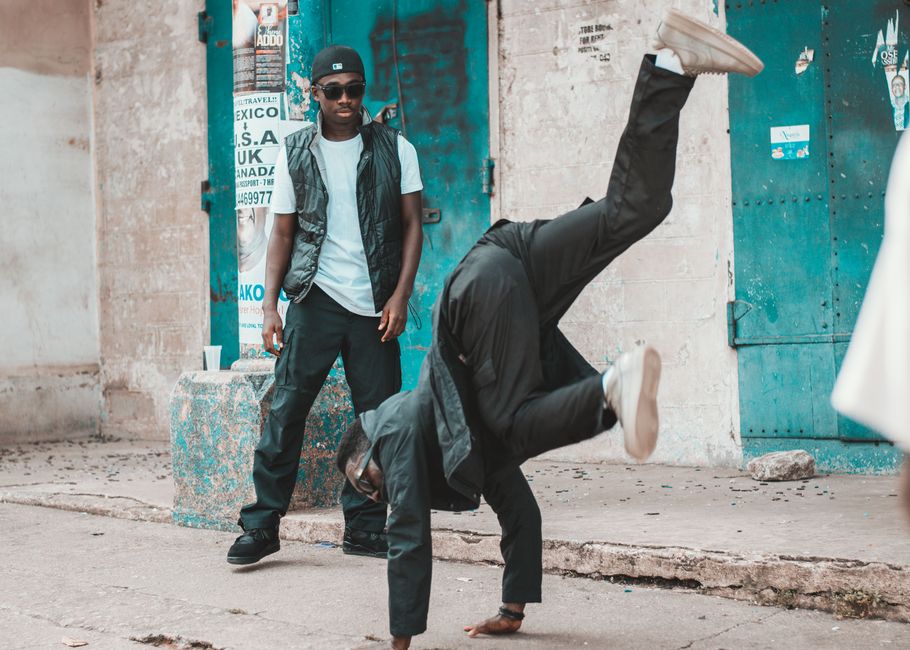
By the late 20th century, contemporary dance had become increasingly porous, absorbing influences from a wide array of sources. Choreographers began to mix modern dance techniques with ballet, jazz, hip-hop, and non-Western dance forms, creating hybrid styles that defied easy categorization. This fusion approach was driven by a globalized world, where cultural exchange and technological advances made it easier for artists to access and incorporate diverse movement practices. The result is a rich tapestry of possibilities, where a single piece might shift from classical lines to urban grooves in a matter of minutes.
One notable example is the work of choreographers like Akram Khan, who blends Indian Kathak with contemporary dance, or Crystal Pite, who combines ballet and physical theater. In the United States, companies like STREB Extreme Action and Pilobolus push the boundaries of physicality by integrating acrobatics, circus arts, and contact improvisation. This fusion is not merely a stylistic choice; it reflects the complexities of contemporary identity and experience. Dancers are now expected to be versatile, able to adapt to different movement languages and collaborate across disciplines.
Fusion also extends to the use of technology. Some choreographers incorporate video projection, motion capture, and interactive digital elements into their work, creating immersive experiences that challenge traditional notions of stage and audience. While these innovations are not universal, they represent the ongoing evolution of contemporary dance as a responsive and ever-changing art form. The key is that fusion is not about losing the past but about building upon it, creating new dialects from existing vocabularies.
Factors Shaping Contemporary Dance Today
Several factors continue to influence the development of contemporary dance in the 21st century. First, the rise of social media and digital platforms has changed how choreography is shared and consumed. Dancers and choreographers can reach global audiences without traditional gatekeepers, leading to a more democratized field. This has also accelerated the spread of fusion styles, as movements from one region are quickly adopted and adapted in another. Second, funding and institutional support play a crucial role; many contemporary dance companies rely on grants, donations, and ticket sales, which can affect the types of work that get produced. Third, the ongoing dialogue around diversity, equity, and inclusion has prompted a re-examination of whose stories are told and who gets to tell them, leading to more varied perspectives on stage.
Additionally, the COVID-19 pandemic forced many dancers and companies to adapt to virtual performance and rehearsal, accelerating the use of digital tools and expanding access to dance for audiences unable to attend in person. While these changes present challenges, they also open new avenues for creativity. For example, some choreographers have experimented with site-specific works, augmented reality, and interactive online performances. The long-term effects of these shifts are still unfolding, and they will likely continue to shape the aesthetics and economics of contemporary dance.
In this context, the role of dance education and training is also evolving. Schools and companies are increasingly offering programs that expose dancers to multiple techniques, preparing them for a fusion-based professional landscape. Dance Rhythm, as a company committed to artistic growth, may find value in fostering such versatility, though the specific approaches depend on individual goals and resources. Ultimately, the future of contemporary dance will be determined by a complex interplay of artistic vision, cultural exchange, and societal trends.
“Contemporary dance is not a fixed style but a conversation between past and present, body and idea, tradition and innovation.”
Conclusion: A Living Art Form
The evolution of contemporary dance from the revolutionary work of Martha Graham to today’s fusion-driven choreography reflects a continuous process of questioning and reimagining. Graham’s technique provided a foundation for emotional and physical expression, while subsequent generations expanded the vocabulary by embracing diversity and technology. Today, contemporary dance thrives on its ability to adapt, making it one of the most vibrant and relevant art forms of our time. As new influences emerge, the genre will undoubtedly continue to transform, but its core—the exploration of human movement and meaning—remains constant. For those studying or practicing contemporary dance, understanding this history offers valuable context for their own creative journey.