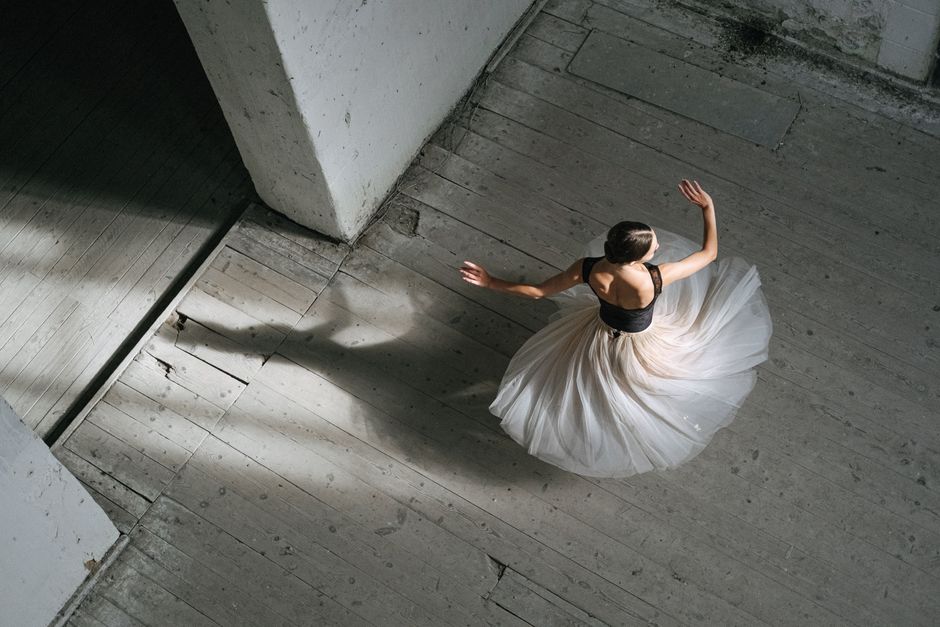
Mastering Pirouettes: Techniques for Balance and Rotation
Pirouettes are a fundamental element in many dance forms, representing a blend of balance, rotation, and control. Mastering a pirouette requires understanding the biomechanics involved, from the preparation to the completion of the turn. Dancers often spend years refining their technique, as even minor adjustments can significantly affect stability and rotational speed. This article explores the key components of a pirouette, including spotting, core engagement, and common corrections that can help dancers improve their turns.
In the United States, dance training emphasizes a systematic approach to pirouettes, focusing on alignment, momentum, and the efficient transfer of energy. Whether you are a beginner or an experienced dancer, breaking down the pirouette into its constituent parts can enhance your practice and performance. By examining the mechanics and common pitfalls, dancers can develop a more reliable and consistent turn.
It is important to note that progress in pirouettes depends on various factors, such as individual body awareness, consistent practice, and guidance from qualified instructors. No single method guarantees success, but a clear understanding of the underlying principles can inform a more effective training regimen.
The Mechanics of Rotation and Balance
A pirouette is essentially a controlled rotation around a vertical axis, typically performed on one foot. The mechanics involve a combination of forces: the push-off from the floor, the torque generated by the arms and torso, and the centripetal force that keeps the body aligned. To initiate rotation, dancers often use a preparation such as a fourth position plié, which stores energy that is released during the turn. The spot, a rapid head movement, helps maintain orientation and reduces dizziness by allowing the brain to process visual information more efficiently.
Balance during a pirouette is dynamic, requiring continuous adjustments. The center of gravity must remain over the supporting foot, and any deviation can cause the turn to wobble or fail. Core muscles, including the abdominals and back, play a critical role in stabilizing the torso and preventing unnecessary movements. Dancers often use the image of a spiral to describe the upward and outward energy that counteracts gravity. By engaging the core, dancers create a stable base that allows for smoother rotation.
Rotation speed and the number of turns are influenced by the amount of force applied and the tightness of the body’s alignment. A tighter position reduces the moment of inertia, allowing for faster rotation, similar to a figure skater pulling in their arms. However, this must be balanced with the need for stability; overly tight positions can restrict movement and cause loss of balance. Dancers experiment with different positions to find the optimal combination for their body type and style.
The Role of Spotting in Pirouettes
Spotting is a technique used to prevent dizziness and maintain orientation during a pirouette. It involves fixing the gaze on a single point at eye level for as long as possible while the body rotates, then quickly whipping the head around to refocus on the same point. This practice helps the brain reconcile the sensation of rotation with a stable visual reference, reducing vertigo and improving balance. Spotting also contributes to the aesthetic quality of the turn by keeping the head aligned with the body’s direction.
When learning to spot, dancers often practice slowly, breaking down the head movement into two phases: the focus phase and the snap phase. In the focus phase, the eyes lock onto the spot; in the snap phase, the head turns quickly to return to the spot. The timing of the snap is crucial—if it is too early or too late, the turn may feel disjointed. Dancers may use a mirror or a stationary object to train their spotting technique, gradually increasing the speed of the turn.
Spotting is not just a visual trick; it also influences the body’s alignment. A well-timed spot can help maintain the vertical axis and prevent the head from leading the turn. Some dancers find that spoting to a point slightly above eye level encourages a more uplifted posture. However, spotting is an individual skill that may require adaptation based on the dancer’s anatomy and the specific requirements of the choreography.
Core Engagement and Body Alignment
Core engagement is the foundation of a stable pirouette. The core encompasses not only the abdominal muscles but also the muscles of the back, pelvis, and diaphragm. When these muscles are engaged, they create a supportive cylinder around the spine, allowing the dancer to maintain an upright posture and resist the centrifugal forces that pull the body outward. Without adequate core engagement, the torso may collapse or arch, leading to loss of balance and inefficient rotation.
To engage the core, dancers often imagine drawing the navel toward the spine while lengthening the tailbone downward. This action activates the deep stabilizers without causing rigidity. Breathing should remain steady; holding the breath can create tension and disrupt the flow of movement. Dancers may practice core exercises such as planks, leg lifts, and relevés to strengthen these muscles specifically for turning.
Alignment of the entire body is equally important. The supporting leg should be straight but not locked, with the knee slightly softened to absorb shock. The hips must remain level, and the shoulders should be aligned over the hips. The arms, whether in first position or another pose, should be held with a sense of energy and purpose, helping to maintain balance and generate momentum. Any misalignment can cause the turn to drift or collapse.
Common Corrections and Practice Strategies
Even with a solid understanding of mechanics, dancers often encounter specific issues during pirouettes. Common problems include falling off balance, traveling from the spot, and failing to complete the desired number of rotations. Each issue can be addressed through targeted corrections and consistent practice. For example, if a dancer consistently falls to one side, the cause may be an uneven weight distribution or a misaligned supporting leg. Teachers may suggest adjusting the placement of the supporting foot or engaging the core more actively.
Traveling during a pirouette often results from an uneven push-off or a lack of a clear spot. Dancers can practice turning in a small square or using floor markers to develop spatial awareness. Another common correction is to ensure that the preparation does not over-rotate; the energy should be directed upward rather than sideways. For multiple turns, dancers need to maintain a tight position and use the arms efficiently to generate and sustain momentum.
Practice strategies include breaking the pirouette into parts: the preparation, the rise to relevé, the turn itself, and the landing. Dancers might spend time on each component separately before integrating them. Video analysis can also be helpful, allowing dancers to see their alignment and spot timing. It is essential to approach practice with patience, as improvements in pirouettes often come gradually and depend on factors such as fatigue, focus, and overall physical condition.
Instructors at studios like Dance Rhythm often emphasize the importance of a balanced training regimen that includes strength, flexibility, and technique. While no single correction works for everyone, a systematic approach to identifying and addressing issues can lead to more consistent turns over time.
Integrating Technique into Performance
Once the mechanics of a pirouette are understood, the challenge is to integrate them into performance seamlessly. This involves not only physical execution but also artistic expression. Dancers must be able to perform pirouettes with musicality and style, adapting the turn to the choreography and the mood of the piece. The ability to recover from an imperfect turn is also part of performance skill; dancers learn to mask mistakes and continue with confidence.
Performance conditions can vary, from stage surfaces to lighting and audience presence, all of which can affect a dancer’s sense of balance. Practicing under different conditions can help dancers become more adaptable. Mental preparation, such as visualization and focusing on the spot, can also enhance consistency. It is important to remember that even professional dancers have off days, and the pursuit of perfection in pirouettes is a continuous journey.
Ultimately, mastering pirouettes requires a combination of physical training, mental focus, and artistic sensibility. By understanding the mechanics, engaging the core, and applying common corrections, dancers can develop a more reliable and expressive turn. As with any skill, progress depends on dedication, quality instruction, and a willingness to learn from both successes and setbacks.